Many sales do not close in the first conversation. A customer may be busy, comparing options, or planning to return later. When it is useful, a follow-up is a continuation of service rather than an interruption.
Decide who needs which message
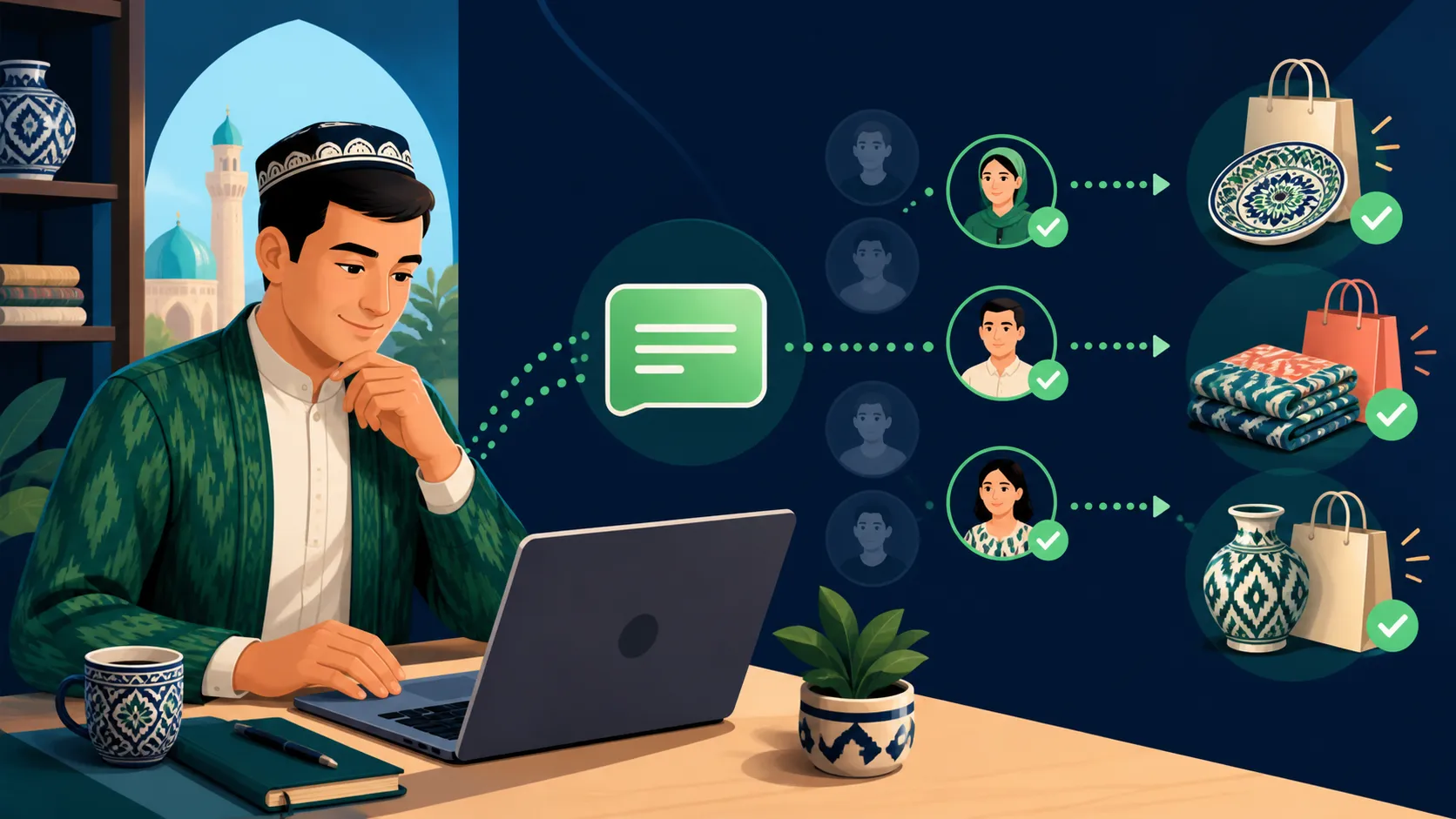
Do not send one reminder to every contact. Begin with three simple groups: people who asked for a price, people who paused near an order, and previous customers. Each has a different reason and timing for a message.
Someone who asked for a price might receive, a day or two later: “The beige model you viewed is still available. Would you like help with sizing?” A previous customer may be better served by a product-care tip or relevant new arrival.
Give every message a reason to exist
A useful follow-up answers an open question, makes a choice easier, shares a relevant availability update, or helps someone use a product well. Avoid empty “Are you still interested?” messages. If you offer a discount, do not make it your only tool.
Build a short sequence
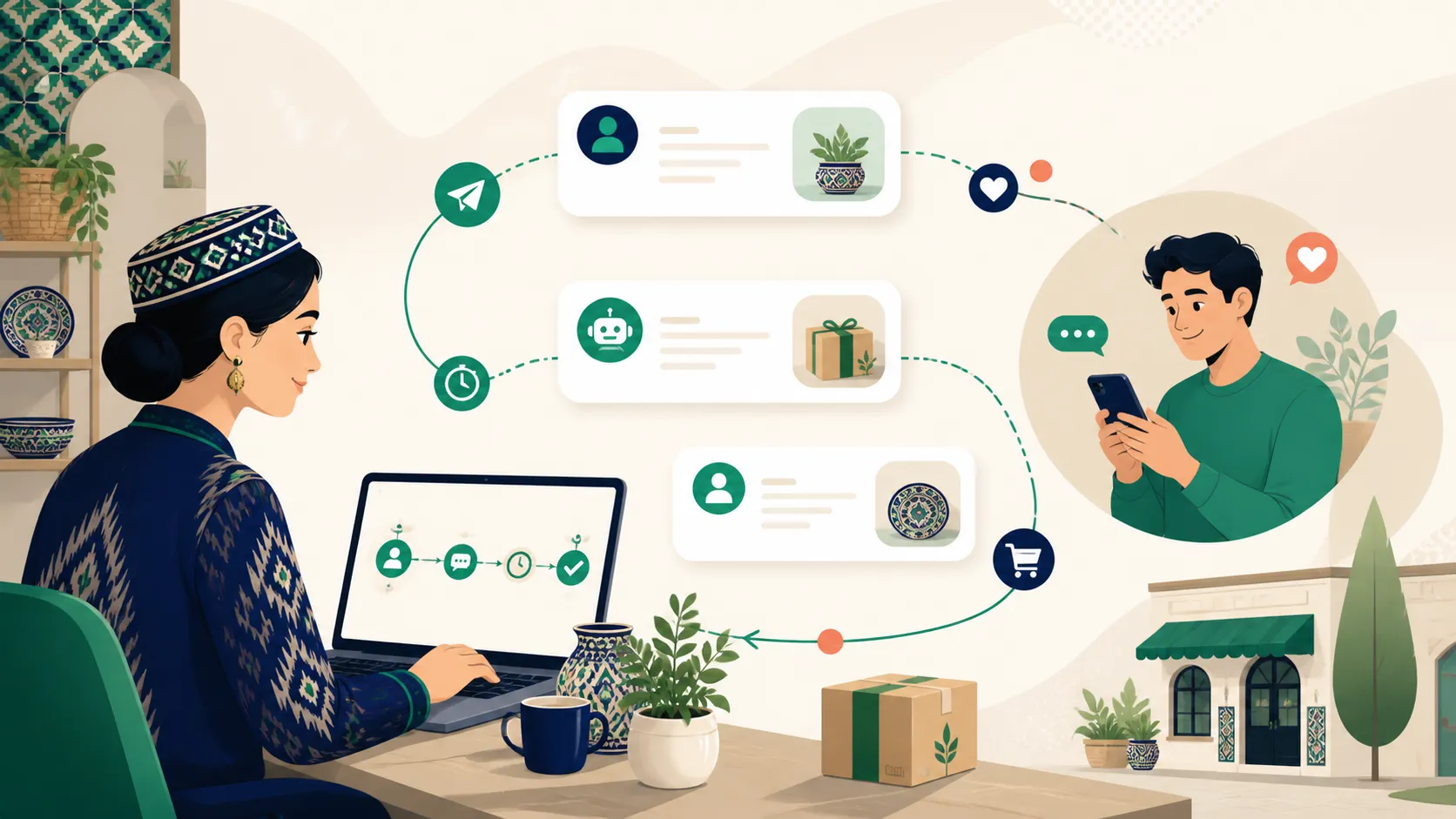
Three steps are enough to start: a helpful recap after the conversation, a relevant recommendation two or three days later, and a final offer of help after a week. Stop the sequence as soon as the customer replies or buys, and make opting out easy.
With AdChat’s flow builder, sequences can respond to a tag, reply, or order status. That helps prevent a person from receiving an old reminder and a new promotion at the same time.
Measure carefully
Compare sends, replies, orders, and unsubscribes for each group. Useful conversations and returning customers matter more than raw reply volume. If people ignore or dislike messages, increase the gap and improve the content.
Good follow-up does not chase people. It reminds, helps, and leaves the decision with the customer.